 UA
 EN
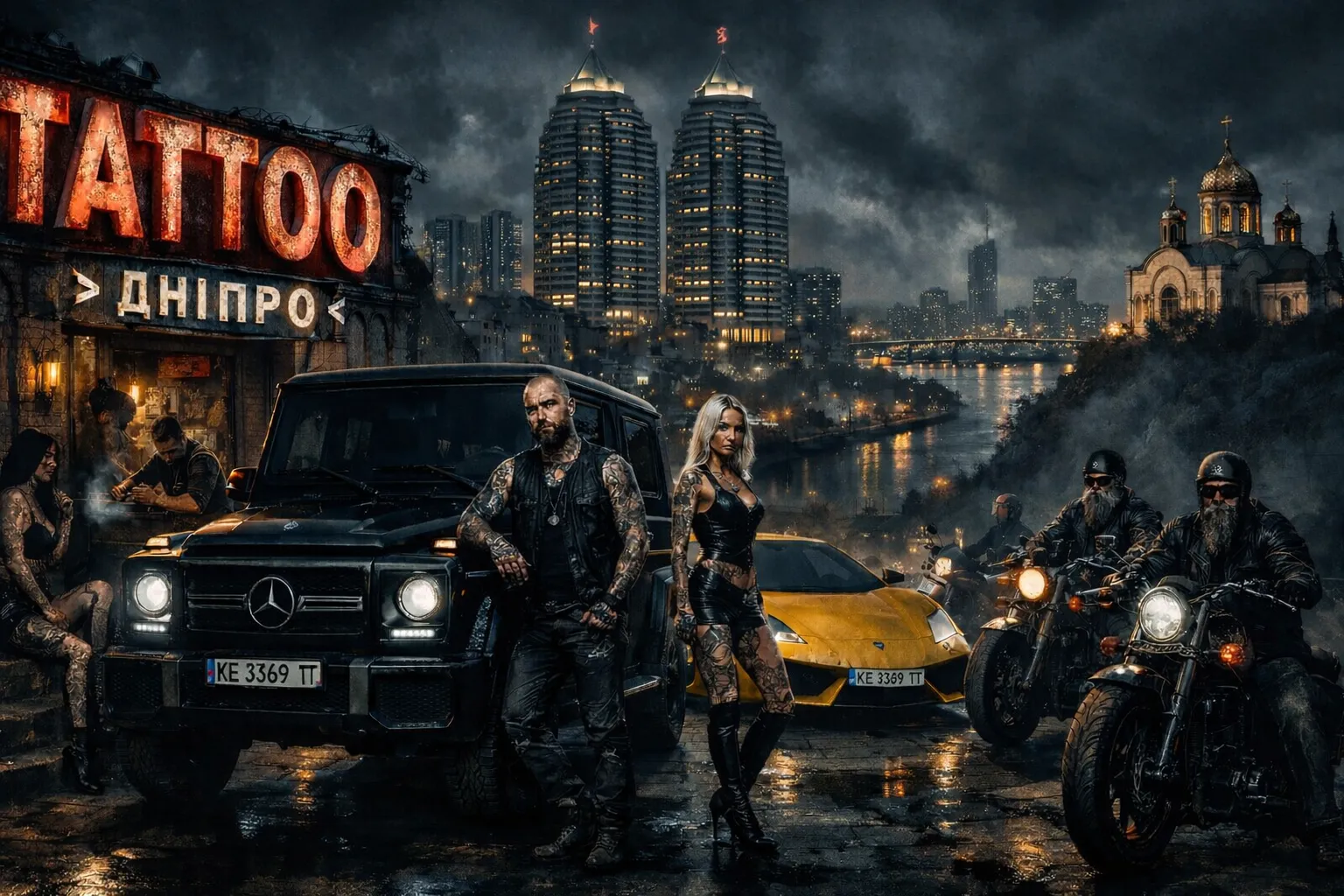
Tattooing on the territory of modern Ukraine has much deeper roots than is commonly believed. Long before the appearance of professional tattoo studios, symbols on the body were used as a means of identification, protection and transmission of meanings. Archaeological and ethnographic data indicate that marks on the body performed a sacred, social and ritual function.
In traditional cultures, tattooing was often associated with age, status or important life events. Symbols were applied not for decoration, but as part of a worldview. Later these practices disappeared or transformed under the influence of religious and social changes, and tattooing lost its cultural legitimacy for a long time.
In the 20th century, tattooing in Ukraine existed mainly in closed communities and was not perceived as a form of art. The situation began to change in the late 1990s, when access to international experience, equipment and information appeared. It was then that tattooing began to gradually move beyond subcultures and form a new professional identity.
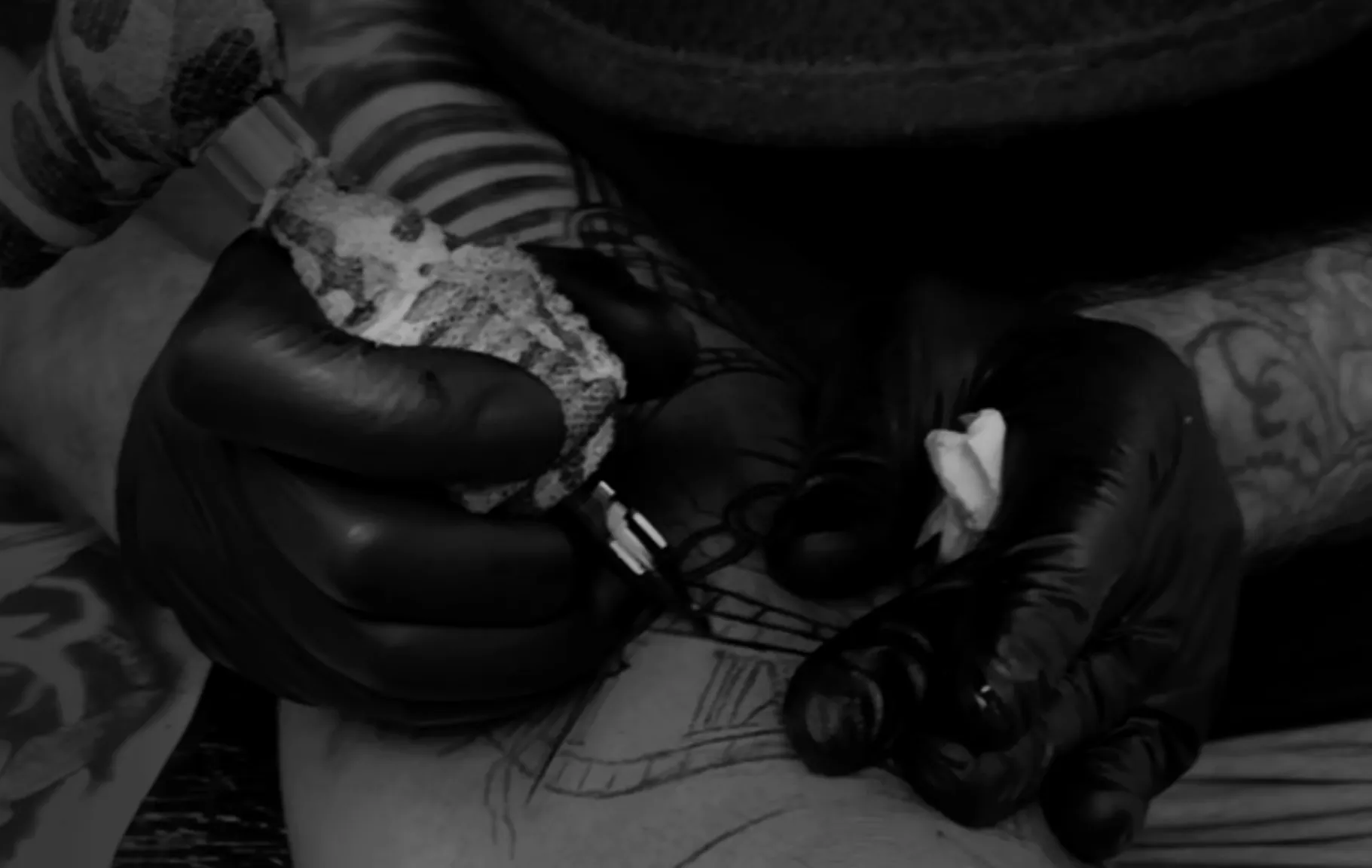
In the early 2000s, the first private tattoo studios appeared in Ukraine, working on the principle of an individual approach. Masters began to develop their own styles, experiment with techniques and pay more attention to safety and aesthetics. Tattooing ceased to be a random decision and became a conscious choice.
Today, tattooing in Ukraine is viewed as a form of contemporary art that combines traditions, personal experience and original vision. It has ceased to be a marker of protest and has become a means of self-expression. It is precisely this path — from symbol to art — that has determined the modern attitude towards tattoos in Ukrainian society.
Dnipro — the Center of Tattoo Culture in Ukraine
Dnipro became one of the first cities in Ukraine where tattooing began to form as a separate professional sphere. In the late 1990s, masters appeared here who did not work by templates, but with the idea of individual work with the body. At that time, tattooing in the city did not yet have a clear infrastructure, but a different approach was already being formed — responsible and thoughtful.
The early 2000s became a turning point. In Dnipro, private studios appeared that worked not on a mass scale, but with a limited number of clients. The main emphasis was placed on quality, sterility and sketch preparation. It was during this period that the reputation of the city as a space where tattooing is taken seriously was laid.
An important feature of the Dnipro tattoo scene was the formation of long-term professional practices. Masters worked for years, developed their own style and passed on experience. This allowed avoiding chaotic development and creating a stable environment in which it was not the number of works that was valued, but their level.
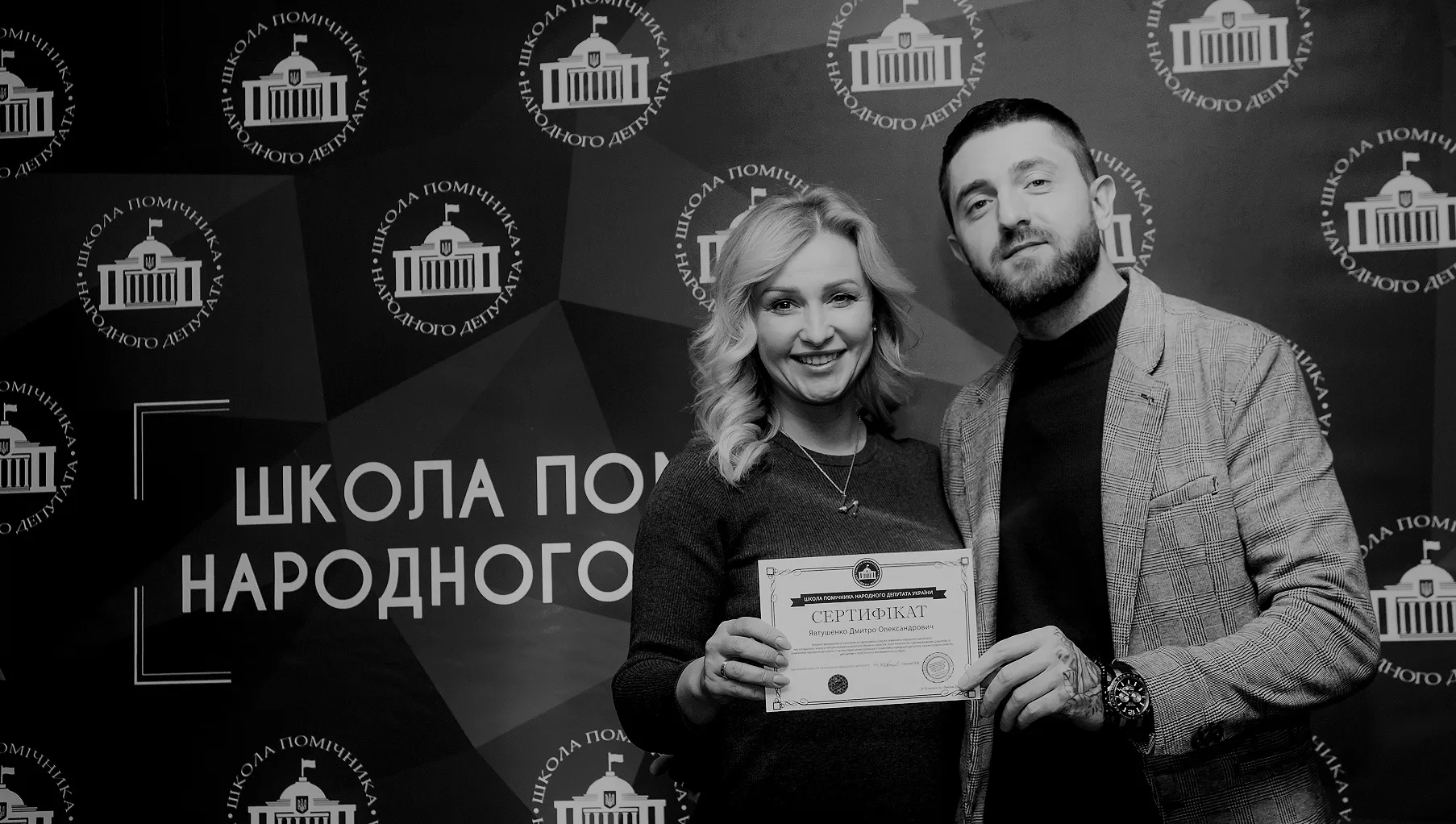
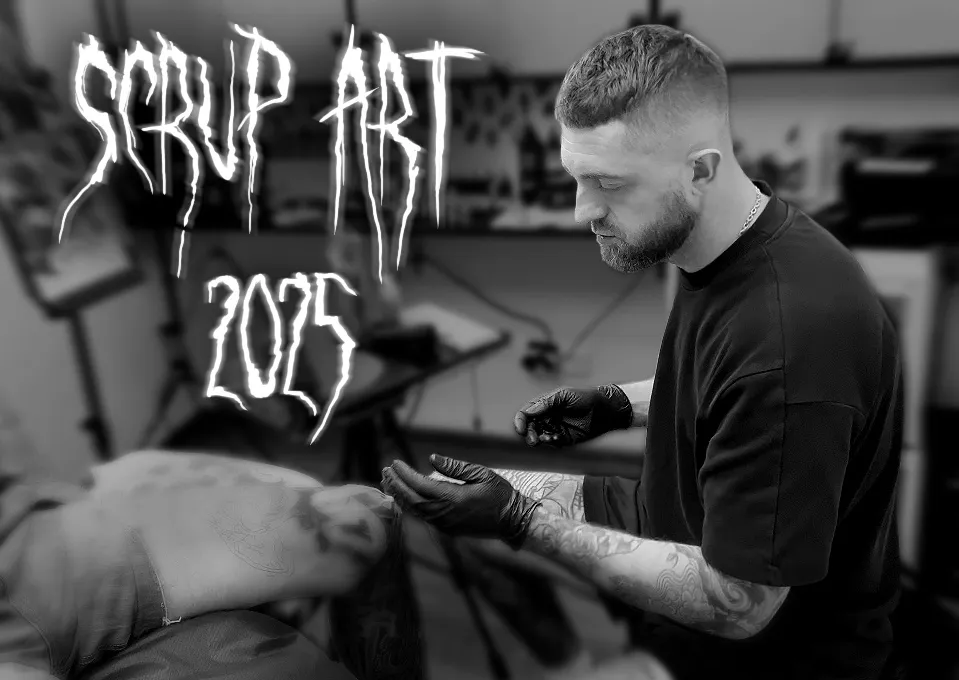
Over time, Dnipro began to be perceived as a city with its own tattoo identity. Here developed the directions of black-and-white tattooing, realism, graphics and symbolic compositions. A special role was played by masters with many years of experience, among whom was Dmytro Yavtushenko — one of the first tattoo artists of Dnipro who worked in the format of a private studio and original projects.
Today, the tattoo culture of Dnipro is a combination of history, experience and modern standards. The city has preserved the continuity of the profession and at the same time adapted to new requirements of safety and aesthetics. It is precisely this that has made Dnipro one of the key centers of tattoo culture in Ukraine.
Private Studios — a New Industry Standard
The emergence of private tattoo studios became one of the most important stages in the development of tattooing in Ukraine. Before that, tattooing was often associated with mass salons or informal conditions, where the main criterion was speed, not result. Private studios offered a different model of work.
The main difference of a private studio lies in personalization. Work is conducted with a limited number of clients, which allows more attention to be given to the idea, the sketch and the process. Tattooing is viewed as an individual project, not a standard service.
Another key factor was responsibility. In private studios, the master is personally responsible for quality, sterility and result. This changed the attitude towards the profession and increased trust from clients. It was in such conditions that long-term professional practices were formed.
Private studios also influenced the culture of communication. Consultation, discussion of the idea and explanation of the process became a mandatory part of the work. This reduced the number of impulsive decisions and formed a conscious approach to tattooing.
Today, private tattoo studios play a key role in the development of the industry in Ukraine. They set the standard of quality, safety and ethics, which gradually became the norm. It is precisely thanks to this model that tattooing in Ukraine is perceived as serious art, not a temporary fashion.